+86 18578756148 


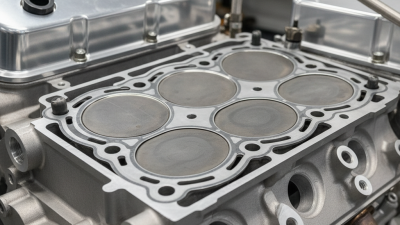
You know, Cylinder Head Gasket problems are pretty common in the car world. I came across a report from the Automotive Repair Industry Association that said more than 20% of engine repairs involve this little but crucial part. When the gasket starts acting up, it can really cause serious engine damage and lead to some pretty hefty repair bills. Getting familiar with the typical issues can actually help you catch problems early before things get out of hand.
Interestingly, Engine Builder Magazine points out that over 30% of car owners tend to ignore this critical component during their regular check-ups. Honestly, that’s kind of scary because neglecting it can lead to overheating or even a drop in engine compression — serious stuff! It’s surprising how many drivers don’t really realize the risks linked to a failing Cylinder Head Gasket.
Taking care of these issues is key to keeping your car running smoothly for years to come. A study from the Institute of Automotive Engineers even suggests that routine inspections can save you up to $1,500 in unexpected repairs. So, knowing what signs to watch out for — like leaks or overheating — is super important. Being informed means you can take action early, which might save you from those big repair costs down the line.
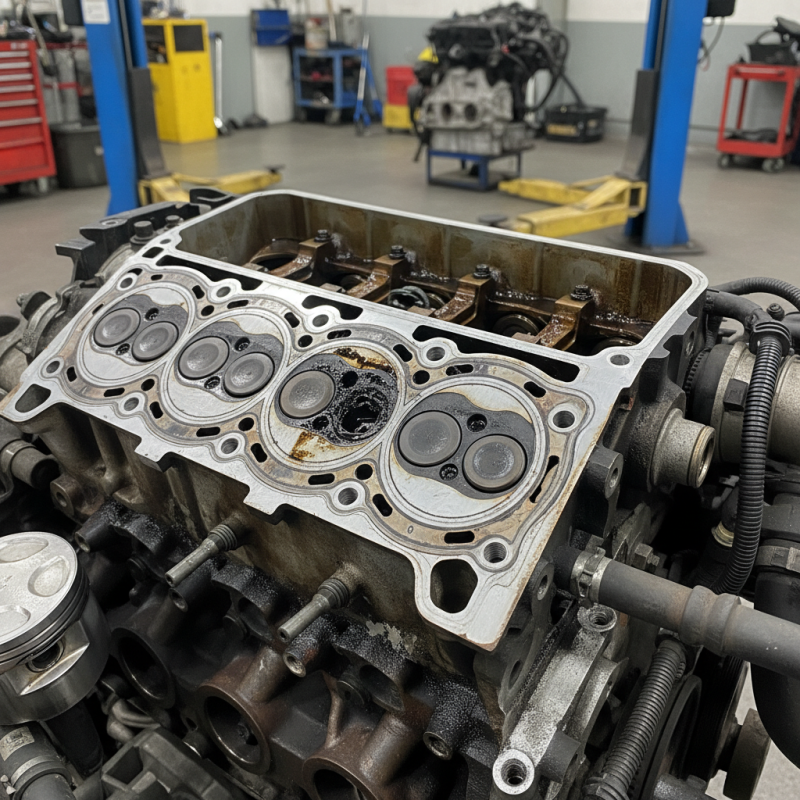
Cylinder head gasket failure can lead to serious engine issues. Drivers must recognize the common signs early. One key indicator is overheating. If the engine temperature rises unexpectedly, it may be due to a blown gasket. This can cause permanent damage if ignored.
Another sign is oil contamination. A faulty gasket can allow oil and coolant to mix. If you notice a milky substance on your oil dipstick, it’s time to investigate. Additionally, white smoke from the exhaust is a red flag. This usually indicates coolant leaking into the engine combustion chamber.
Unusual engine noises can also hint at gasket problems. Knocking or hissing sounds may signal air leaks. You might also find coolant puddles under your vehicle. While some signs may seem minor, they deserve attention. Identifying these issues early can save you a lot of time and money in repairs.
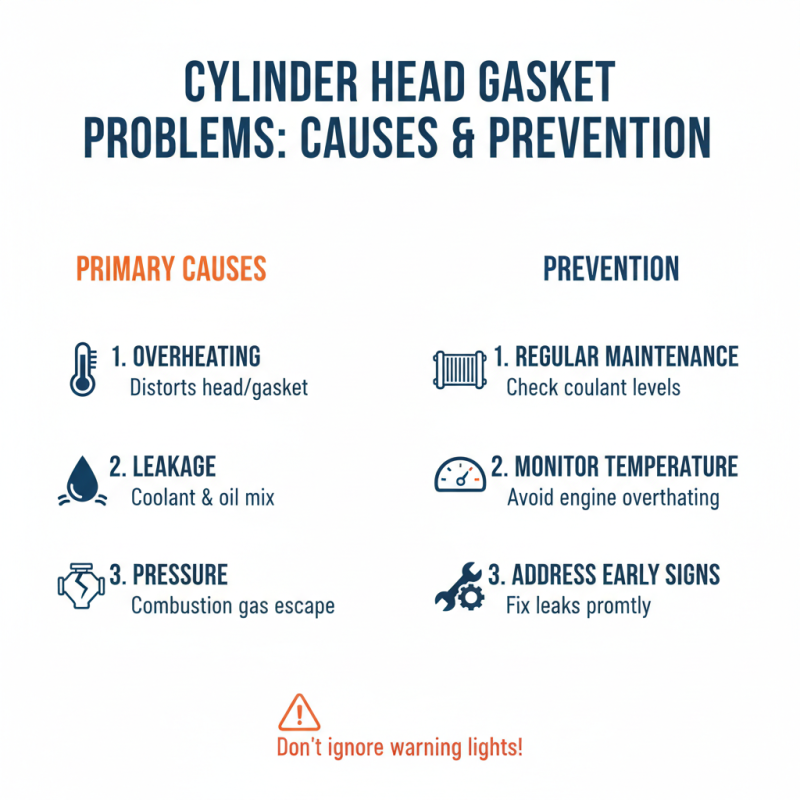
Cylinder head gasket problems can lead to severe engine issues. Understanding the causes can help prevent costly repairs. Overheating is a primary culprit. When the engine runs too hot, it can distort the head or gasket. This can cause a leak. Coolant and oil may mix, leading to further damage.
Poor installation is another issue. A gasket that is not properly torqued can fail. It leads to gaps that allow fluids to escape. Regular checks of torque settings can avoid this. Additionally, using the wrong gasket material can affect durability. Always refer to specifications to ensure correct materials are used.
Tips: Regular maintenance is crucial. Check for signs like oil leaks or overheating. Early detection can save time and money. Invest in quality parts. Cheap gaskets can lead to bigger problems. Always document any repairs made for future reference. Keep an eye out for warning signs. Ignoring issues may lead to a complete engine failure.
Engine overheating can severely impact gasket integrity. When temperatures rise above designed limits, materials within the head gasket may degrade. This breakdown can lead to leaks, which reduce engine performance and efficiency. Studies indicate that over 70% of gasket failures result from excessive heat.
Signs of overheating can be subtle. Often, drivers notice a drop in coolant levels or an increase in exhaust smoke. Some may experience engine misfires, but these can be mistaken for other issues. Research highlights that nearly 80% of drivers ignore the first symptoms of overheating, leading to more severe problems. Regular engine checks can help catch overheating before extensive damage occurs.
Mechanics recommend monitoring temperature gauges closely. A deviation from standard operating temperatures is a signal to investigate further. In some cases, preventive maintenance is overlooked. Despite knowing the risks, many drivers postpone inspections. The consequences can be costly, not just in repairs but also in decreased vehicle reliability. Understanding these dynamics is crucial for maintaining optimal engine condition.
Diagnosing cylinder head gasket issues requires attention to specific symptoms. A common sign is coolant leakage. You may notice puddles under your vehicle. Smoke from the exhaust can also indicate a blown gasket. The color of the smoke is essential; white smoke often points to coolant entering the combustion chamber.
Look for fluctuating temperature gauges. This can signal overheating. Another red flag is engine misfires. Misfires may lead to rough operation and decreased performance. Keep an eye out for discolored oil. A milky appearance suggests coolant contamination, often due to a failed gasket.
Performing a compression test can provide valuable insights. Low compression readings may reveal gasket failure. Regular maintenance checks can help catch these issues early. Ignoring symptoms can lead to costly repairs. Trust your instincts; if something feels off, it’s worth investigating.
Cylinder head gaskets are vital parts of an engine. When they fail, several problems arise. Issues include overheating, oil leaks, and engine misfires. Repairing a damaged head gasket can be complex. However, there are effective repair options available.
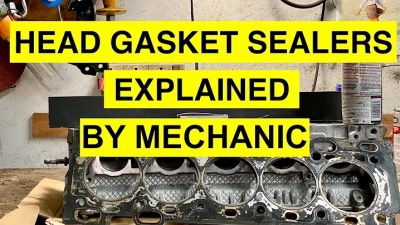
One common method is a complete gasket replacement. This approach may involve removing the cylinder head. It's labor-intensive, but it ensures a long-lasting fix. Another option is using a gasket sealer product. While this can provide a temporary solution, it’s not always reliable. It may require frequent monitoring and eventual replacement.
Tips for maintaining your cylinder head gasket include regularly checking engine temperature. Overheating can indicate gasket issues. Change your oil regularly to keep the engine clean. Avoid driving with low coolant levels. This can worsen gasket damage over time. Pay attention to any unusual engine sounds. Small problems can escalate quickly.
Cylinder head gaskets play a crucial role in your engine's performance. A faulty gasket can lead to severe engine damage. To prevent this, routine maintenance is essential. Regularly check your engine’s coolant levels and oil quality. Low coolant can cause your engine to overheat. When an engine overheats, it often leads to gasket failure.
Another effective measure is to monitor your vehicle's temperature gauge. If it runs hot, something may be wrong. Address any leaks promptly. Look for signs of oil or coolant on your driveway. Small leaks can develop into major problems over time. Replacement of worn hoses and fittings can also help maintain the integrity of your gasket.
Pay attention to unusual engine sounds or vibrations. These may indicate an underlying issue. Implementing these preventive steps gives your engine a fighting chance. Remember, ignoring minor issues can result in costly repairs. Your diligence now will save you headaches later.
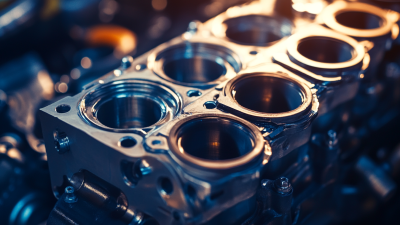
Ignoring cylinder head gasket problems can lead to serious engine damage. A study by the Engine Rebuilders Association (ERA) indicates that over 30% of engine failures are related to gasket issues. When a gasket fails, it may cause coolant leaks or overheating. These problems often escalate quickly, leading to costly repairs.
Long-term consequences can include warped Engine Blocks or damaged cylinder heads. A warped head can result in a lost engine, costing upwards of $4,000 to $5,000 to replace. Many drivers fail to notice initial symptoms, such as milky oil or poor engine performance. These early signs are clear warnings. Waiting too long can add to repair costs exponentially.
Additionally, technicians report that untreated gasket failures can lead to frequent breakdowns. This is not just an inconvenience; it reduces vehicle reliability significantly. Regular checks and maintenance could save drivers from bigger headaches later. Addressing small concerns promptly is more prudent than ignoring them and facing larger issues down the road.
: The service aims to provide assistance and solutions to common problems.
You can access the service online, through a website or an app.
Some features may be free, while others might require payment.
Support includes troubleshooting, guidance, and resources for users.
Availability may vary. It's best to check the specific hours of operation.
Yes, there is a feedback option to report any problems encountered.
Response times can differ. Some may be immediate, while others take longer.
Many find it intuitive, but some features may be confusing at first.
Yes, the service supports multiple devices, but requires login on each.
There is a password recovery option available to regain access.
Cylinder head gasket problems can lead to significant engine issues if not addressed promptly. Common signs of failure include overheating, coolant leaks, and poor engine performance. The integrity of the cylinder head gasket can be severely compromised by engine overheating, which is often caused by inadequate cooling or excessive strain.
To effectively diagnose these issues, mechanics typically conduct pressure tests and inspect for visible signs of damage. Repair options vary from replacing the gasket to more extensive engine repairs, depending on the extent of the damage. Preventive measures, such as regular maintenance and monitoring engine temperature, can significantly reduce the risk of gasket failure. Ignoring these problems can lead to long-term consequences, including serious engine damage and costly repairs. Addressing cylinder head gasket issues early on is crucial for maintaining engine health and performance.